

Continuous screening
Urban dances 2.0
A world tour of urban dances on social media
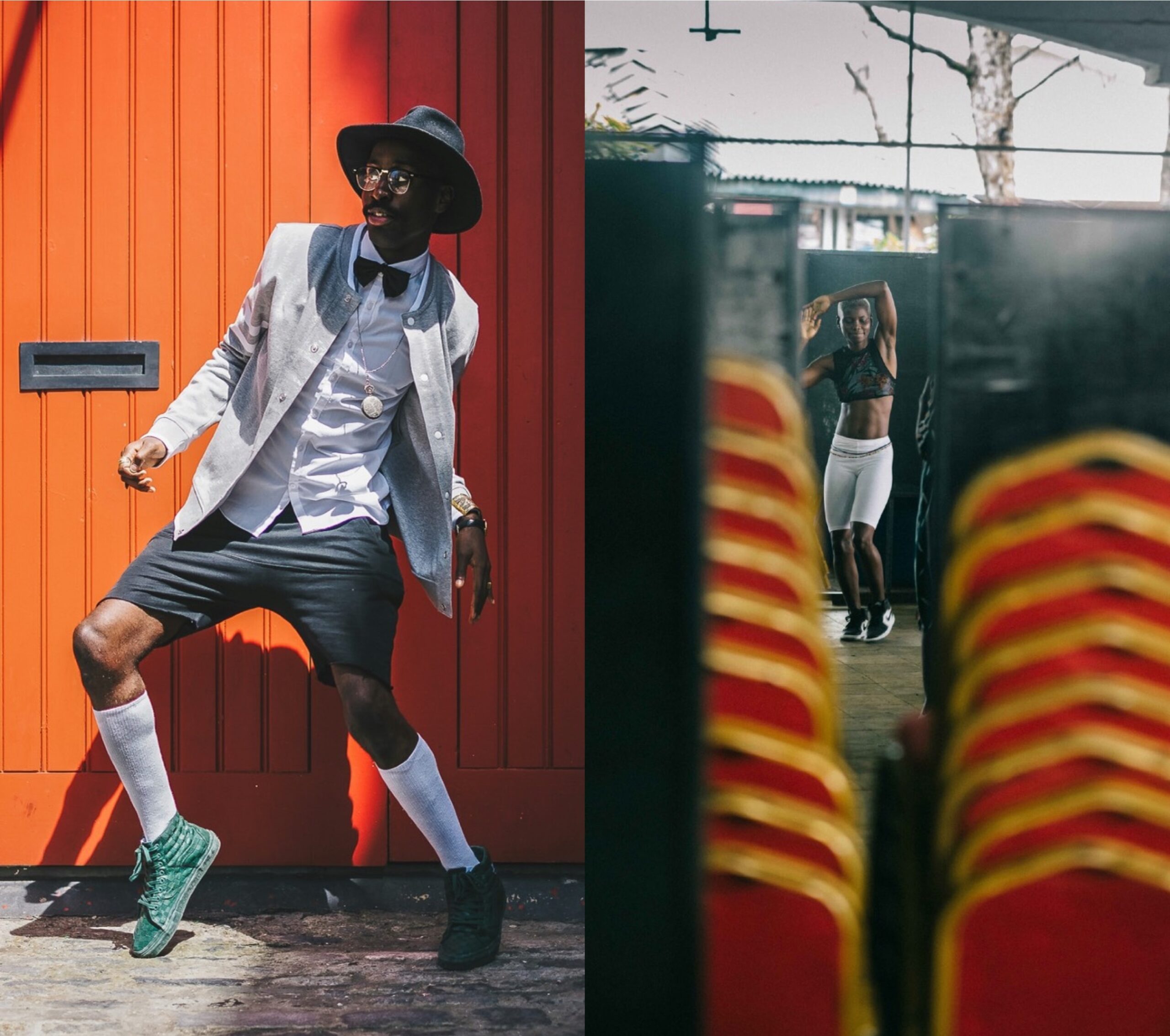
Naming a dance style is never easy, especially when it represents a specific, non-academic aesthetic that emerges at a particular time and within a given sociocultural context.
“Urban dance” is often used to describe dances originating from hiphop culture, but this term is broader—it includes other styles not necessarily tied to hiphop: House dance, Electro, Electric Boogaloo, and Waacking are close to hiphop rooted dances, though not directly stemming from them, and often borrow vocabulary from what is classified as “hiphop.” Additionally, generic terms tend to lump together dances that may “look alike” without recognizing their distinct identities, qualities, or names.
With the upcoming interactive dance conference Dances and Struggles by Bouziane Bouteldja (Sunday, December 8), highlighting dances that arise from population displacement and social struggles for freedom, we wanted to focus on dances that emerged in well-defined urban and peri-urban contexts but have become global phenomena thanks to our mobility and the power of social media. We invite you to explore these dances, perhaps for the first time, to differentiate them, understand their origins and contexts (so you’ll be well-prepared for the dance conference the next day!).
Social media has become a vital medium for spreading social dances, a 2.0 stage, responding to a desire to share, display one’s style and swagger. For some, it’s even a source of income, with immediate access requiring “just” a smartphone and internet. This medium allows dance to spread without needing validation from a curator. Users find a “stage” here, offering exposure in areas lacking cultural infrastructure, particularly in the Global South. This demonstrates that dance, art, and culture are practiced everywhere, by everyone, and are not confined to official and institutional labels. While we can’t ignore the downsides of these platforms (addiction, commodification of posts, lack of differentiation, algorithm dynamics), we’ve compiled videos here that reflect this global trend.
One prominent phenomenon in globalized dance is Afro-urban dance styles. These encompass a range of dances influenced by traditional African dance yet evolve in an urban, contemporary setting. Rooted in diverse African cultures, they’re now practiced worldwide, largely thanks to media, social networks, and popular music influences.
Saturday December 7, 2024
Continuous screening starts at 5 PM
Théâtre d’O
The theater bar will be open for refreshments, snacks, and dinner before the evening performances.
Free entry.

Connected program:
Interactive dance conference Dances and struggles with Cie Dans6T, Sunday December 8 at 2:30 (Halle Tropisme), followed by an open dance floor with DJ S!D with dancers from diverse cultural backgrounds… plus a showcase featuring the junior company from the #JeSuis program!
Photo on the left © Clem Onojeghuo on Unsplash. Photo on the right @ Random Institute on Unsplash